

How to Plan a 70 Series uPVC Window Profile Project with the Right Extrusion Lines
Many customers who plan to enter the uPVC window and door profile industry face the same challenge at the very beginning: they know the market demand exists, but they are unsure how to choose the right PVC profile extrusion equipment. In many cases, they are also not fully familiar with the profile structure behind a complete window system.
This situation is especially common for new projects in the Middle East, where investors tend to be cautious about initial capital expenditure while still expecting stable and reliable production.
To explain this clearly, let us take a 70 series casement uPVC window system as an example.
Understanding the Structure of a uPVC Window System
A complete 70 series casement window is not produced from a single profile. In real production, it is assembled from multiple profiles, including the frame, mullion, sash, double glazing bead, triple glazing bead, connection profile, and corner profile. Each profile has a different cross-section and functional requirement, even though they belong to the same window system.
From a purely technical point of view, the ideal solution would be to use one dedicated extrusion line for each profile. For a full 70 series system, this would mean seven complete PVC profile extrusion lines. While this setup offers maximum convenience and stability, it also results in very high equipment investment, higher power consumption, more workshop space, and increased labor demand.
A More Practical Equipment Configuration
Based on practical experience with many window profile projects, a more balanced and cost-effective solution is to use three SJSZ65×132 uPVC profile extrusion lines, combined with multiple mold sets.
The typical configuration is:
One extrusion line with molds for frame, mullion, and sash profiles
One extrusion line with molds for double and triple glazing bead profiles
One extrusion line with molds for connection and corner profiles
By changing molds, the full range of 70 series window profiles can be produced efficiently. This approach significantly reduces initial equipment investment while maintaining complete product coverage.
Benefits for New and Growing Factories
This production model offers several advantages:
Lower initial investment compared with one-line-per-profile solutions
Reduced labor requirements and simpler production management
Flexible production planning, suitable for market changes
Easier expansion in the future as demand grows
For many Middle Eastern customers, this configuration strikes a good balance between cost control and production capability.
Standard Configuration of a uPVC Profile Extrusion Line
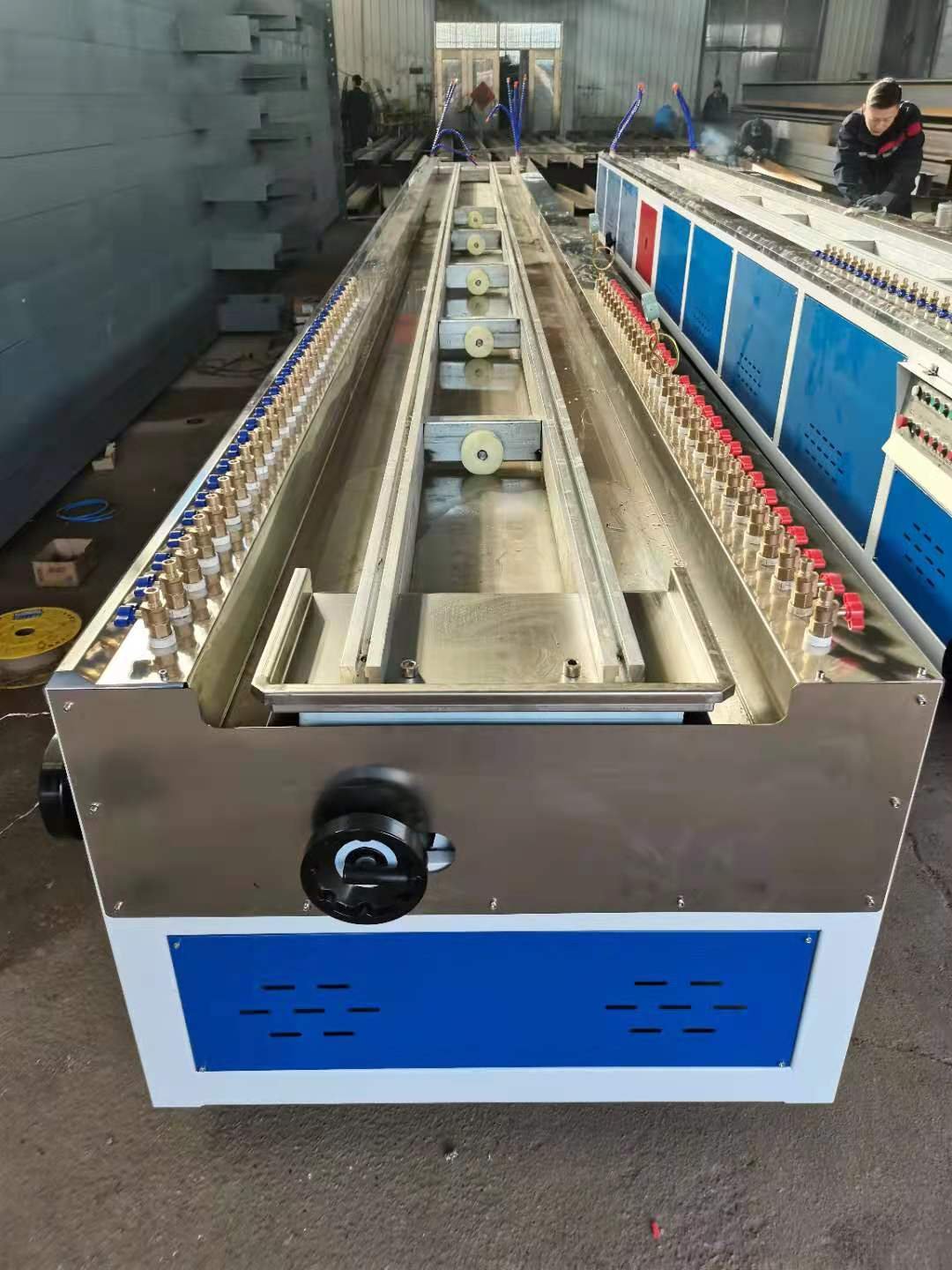
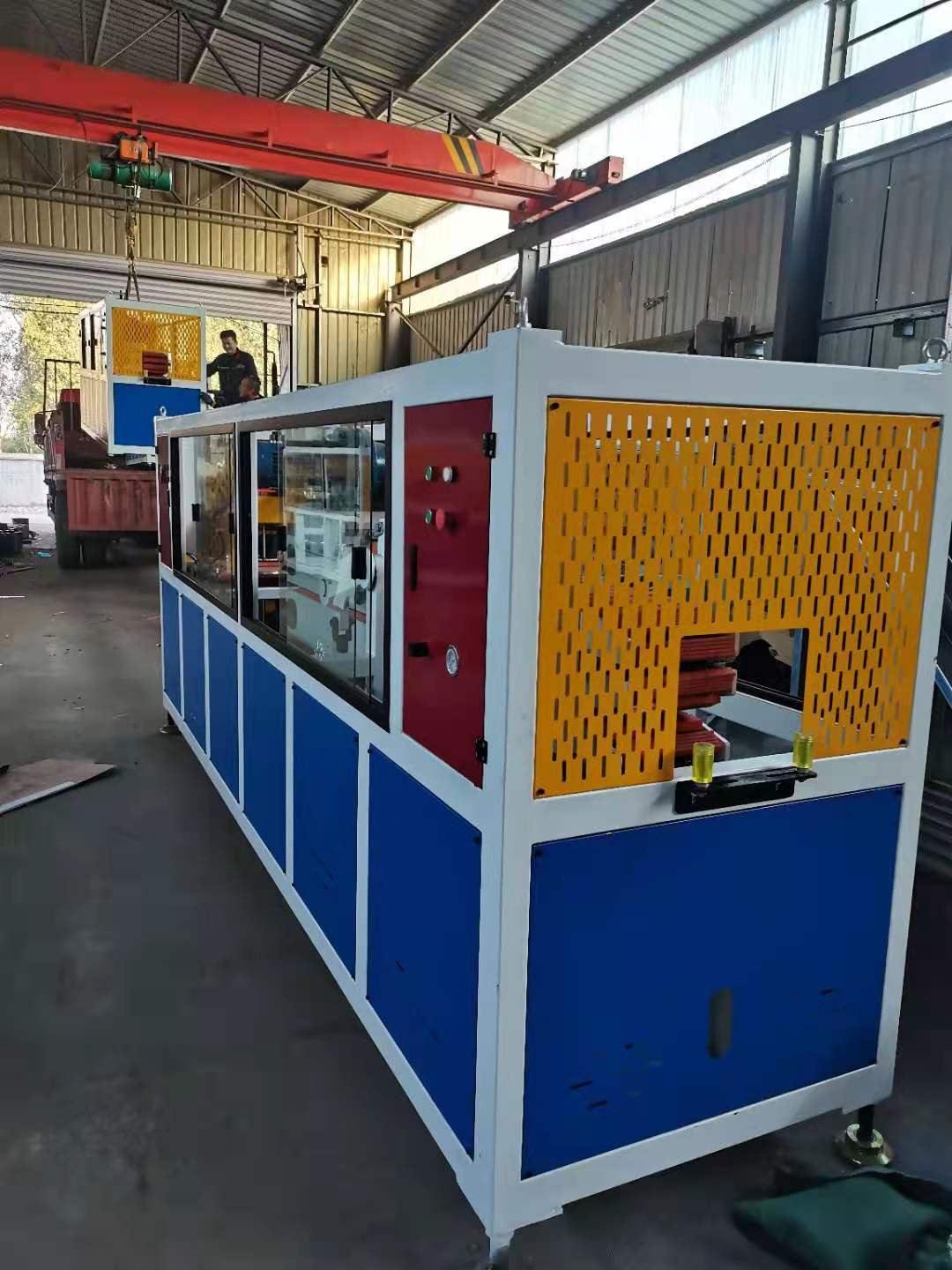
A typical SJSZ65×132 PVC profile extrusion line includes a conical twin-screw extruder, molds, vacuum calibration table, haul-off unit, cutting machine, and stacking rack. This system is mature, stable, and widely used for continuous production of window and door profiles.
Final Thoughts
Choosing the right uPVC window profile equipment is not about purchasing the maximum number of machines. It is about designing a production plan that matches your market, budget, and long-term development goals.
A well-planned extrusion solution can reduce risk, improve efficiency, and create a solid foundation for future expansion. For window profile projects, experience in equipment selection often brings more value than focusing on price alone.
If you would like to learn more about uPVC window profile extrusion lines, equipment configuration, or project planning, we are always ready to share our experience and technical support.